
Catastrophic Implant Fracture – Implant Fixture – Case Study
Occassionally, we encounter cases of implant fracture in clinical practice. Sometimes, modifications can be made to the fixture without having to remove them. At other times, the implant fracture is catastrophic and the fixture will need to be removed and replaced.
Steve* presented at our clinic complaining that his implant crown on the lower left side of his mouth was moving. The cliincal exam showed that the #36 implant crown was slightly mobile.
Radioographic analysis showed that ther was about 40% bone loss from the coronal portion of the implant fixture. The apical portion of the fixture appears to be well integrated, and no obvious fracture was noted of the implant fracture.
The initial diagnosis was that the cemented implant crown had decemented, and the patient was advised to have the crown removed, cleaned and recemented.

The area was anesthetized and an attempt was made to remove the implant crown on #36.
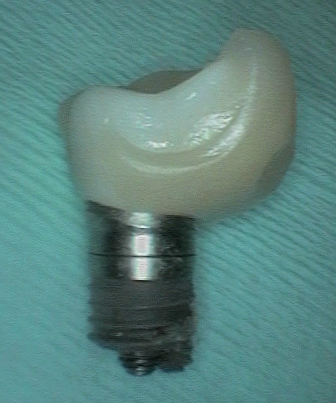
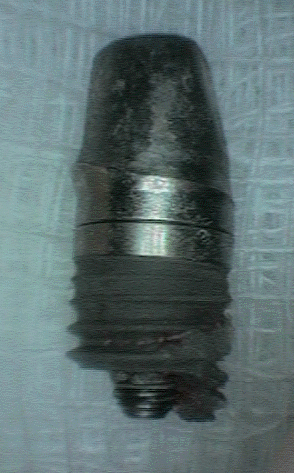
The coronal portion of the implant fixture was removed during the crown removal attempt. It was then that we realised that there had been a catastrophic implant fracture of the implant fixture at the level of the base of the abutment screw.
Analysis of the implant crown revealed that the cemented crown had a large buccal cantilever, which may have resulted in in excessive bending forces being exerted on the implant fixture, resulting in the implant fracture.
The bone loss around the implant could have happened before or after the catastrophic fracture of the implant fixture, due to the bending moments on the implant fixture.
The lower portion of the implant fixture surgically removed. After the site had healed, a new implant fixture was inserted to replace tooth #36.
*Not his real name


Recent Comments